
An oldy but a goody of change communication

An oldy but a goody of change communication

An oldy but a goody – post by our Director, Gemma Windsor CIIC

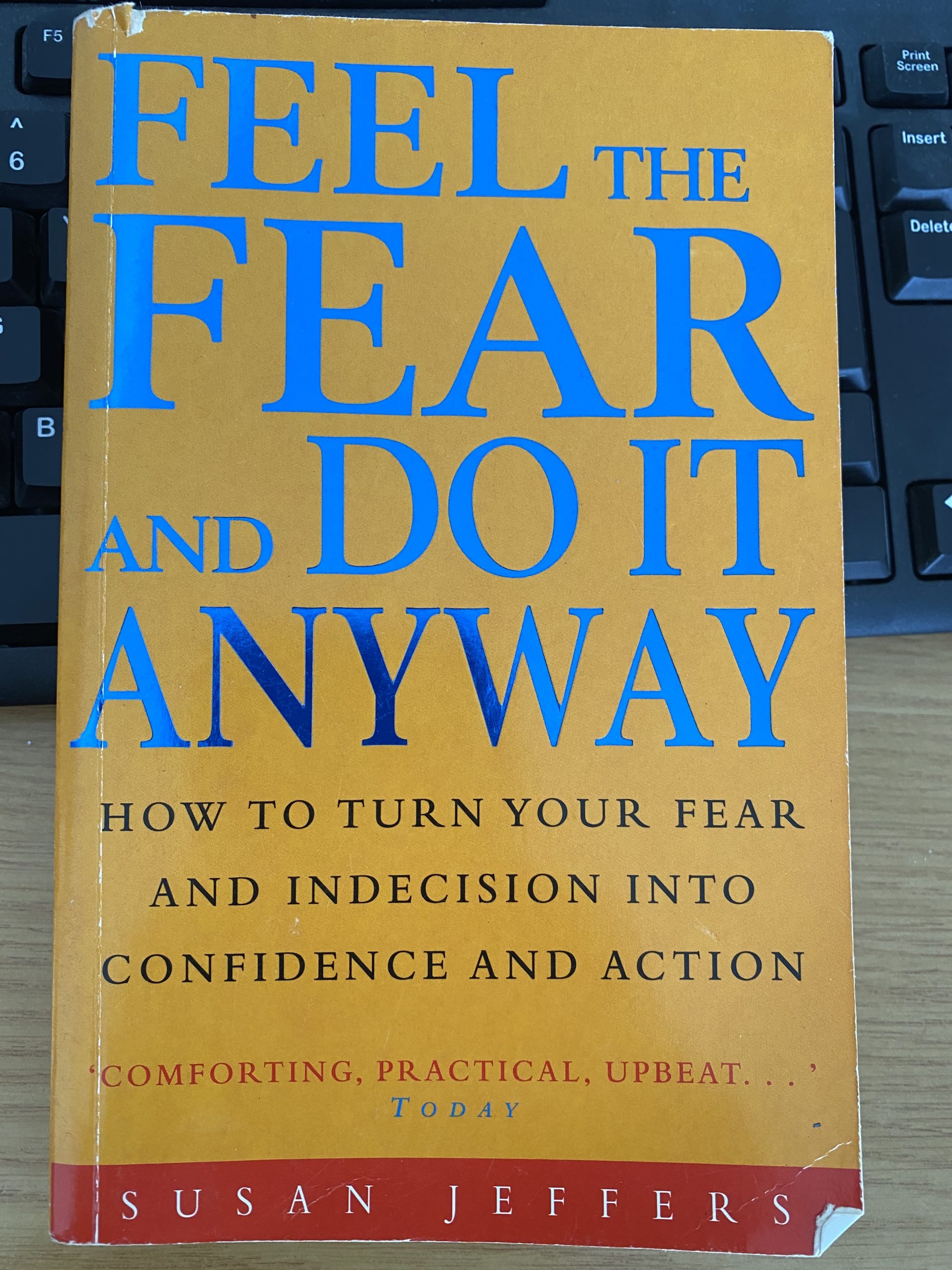
I was given this book for a secret Santa at work when I was in my early 20s. I was fresh out of uni and trying to find my place in the corporate world. Someone could see I was struggling. Change Communication is similar – let me explain.

‘Feel the fear and do it anyway’ has become one of my favourite mottos. Sometimes we need to take a leap of faith – both personally and professionally. And organisations who want to transform and go through change are no different. Change can be daunting and scary. But done right, it can be an extremely positive and rewarding experience for both customers and colleagues. I mean, having a solid #Comms and #Engagement strategy helps. Obviously 😉

I still dip into this book even now – I have treasured it for all this time and I’m grateful to the person that felt this was a book I needed to read it all those years ago. They were right.

Which books do you read over again or refer back to? What should I add to my list? #gwcommsgroup #communication #empathy #leadership #engagement  #changecommunication #change

 

https://www.gwcommsgroup.com/contact-us/

Planning should not be a luxury

Planning should not be a luxury

After a quiet weekend, it’s back to the noise and chaos today. We’re having some work done on our home. This project has been almost 3 years in the making with lots, and I mean, LOTS of planning. Lots of scoping and re-scoping (mainly de-scoping due to material price hikes, thanks #covid!). Plenty of research – for the right builders, the right layout, the right materials etc. The right time in general. And it got me thinking…having this long to plan is a luxury in today’s society. With everything so fast-paced and needing to be done yesterday.

As a #communication and #engagement professional, I couldn’t tell you the amount of times I’ve been brought into the room once the decisions have been made with no opportunity to shape any of the thinking along the way. And then get told ‘we just need to tell people. And the deadline is next week.’ I’ve even had a few scenarios since I started #gwcommsgroup where I’ve been brought in mid-communication, where, because it’s not been properly planned, it hasn’t gone down well with folk and they need some help.

My top tips for #changecommunication include, spend as much time as you can upfront planning, for example partnering with leaders to agree positioning and key messaging, create your #comms critical path, consider your impacts (#empathy is key), map your stakeholders and gather insight on your audiences. And my absolute favourite: be clear on your objectives and outcomes! What’s the old saying: fail to plan, plan to fail.

You’re unlikely to have 3 years of planning for an internal comms project (and are unlikely to need that long, let’s be honest – if you’re planning to communicate in 3 years time then you definitely need to be future proofing; thinking ahead to how the landscape will have changed in that time!). That aside, take as much time as you can afford to do the thinking, and the delivery shouldn’t take nearly as long. And importantly, you’re more likely to meet your strategic objectives and deliver successful outcomes.

What other tips do you have for planning successful #internalcomms#campaigns and #changeprogrammes ? (Image is not our home 🤣) https://www.gwcommsgroup.com/employee-and-change-communications-specialists/

It’s OK to get it wrong – just say it

Communications Hero

It’s OK to get it wrong – just say it

It’s OK to get it wrong – just say it

I’m sure many of us, if not all, have worked in organisations where leaders seem totally disconnected from reality. There can be many reasons for this from wanting to believe everything is perfect, to not having a safe culture where those beneath them can tell them the truth without fear, to just a complete lack of interest or empathy in the people that work for them. There will be a host of other reasons too and it could be that the leaders KNOW things aren’t right but the way they communicate doesn’t portray this to the audience. Sometimes Leaders just need comms help.

Receiving an email from a leader celebrating everyone’s fantastic achievements without acknowledging the pain points to get there, will not motivate or inspire people to keep going. There is something really powerful about a leader being able to say ‘I know it’s been tough, folks. It’s not gone how I’d have liked so thank you for getting us here.’

Candidness is one of my top tips for leaders if you want to demonstrate empathy and have an authentic voice that colleagues can relate to. It is not a sign of weakness to admit things aren’t going to plan. Sometimes that leadership visibility and empathetic tone is just enough to restore some balance and to bring people back from, what would otherwise be a low morale situation, with low productivity, high stress levels and poor organisational outcomes.

If you’re a leader and would like some help in finessing your tone or approach to internal communications, get in touch and see if a GW Comms Group comms specialist can help you.

Why oh why!?

WHY

Why oh why!?

Why oh why?

Anyone that has children or is used to being in the company of toddlers, will be familiar with the constant ‘why’ questioning. As young brains develop and they’re piecing things together, you’ll find yourself constantly being asked ‘why. It’s tempting to reply with ‘just because’. I’d be lying if I said after a particularly intense and exasperating interrogation from my 4-year-old, that I’d never resorted to that response!

But wanting to know ‘why’, is something we never grow out of and especially during times of change, understanding ‘why’ is so critical.

When I’m working on change and transformation projects for clients, the key things I always ask almost immediately:

Why are we embarking on this change?

What’s the benefit to the audience (customer/employee/organisation/stakeholders etc)?

Let’s be clear on the objective and the outcomes we want before we start communicating. And of course, consistency in the messaging is key.

Anchoring the ‘why’ in change communication is so important. It’s the foundation that helps take people on the journey. We all know change can be tricky. My view is that as humans, we can accept change more easily if we understand the rationale.

So, if you’re thinking about communicating change to any audience, that’s a great place to start.

Put yourself in the shoes of your audience and ask yourself why this is happening, does this make sense to me and can I see the wider benefit? My experience tells me that even if some people may not like the change, they’ll be more accepting of it if they understand why it must happen.

See how GW Comms Group can help you on your change journey.